About
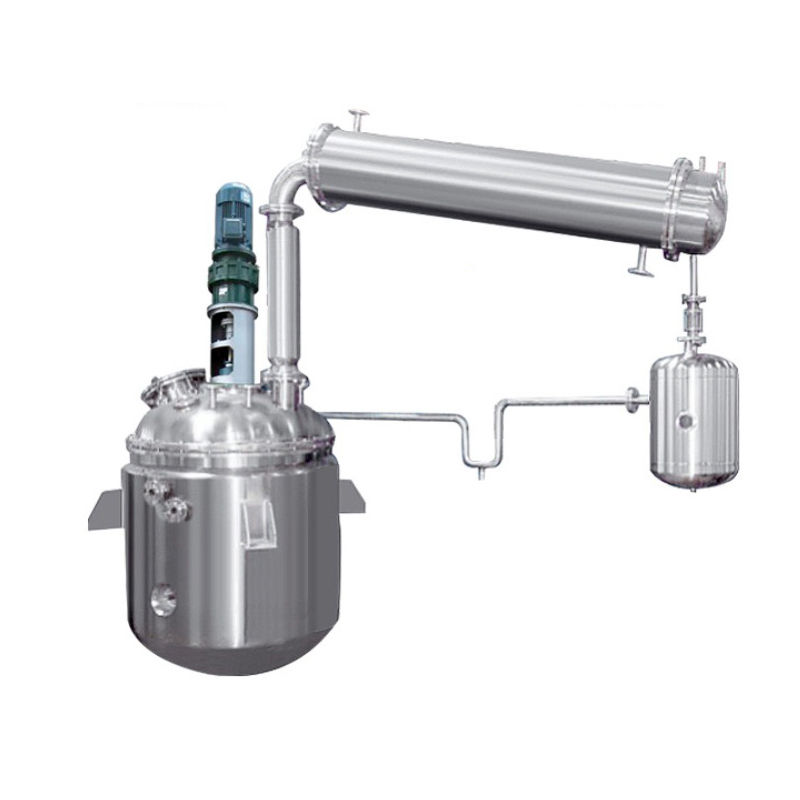
CSTRs find widespread applications in chemical process industries, including petrochemicals, pharmaceuticals, food processing, and environmental engineering. They are particularly suitable for continuous reactions, where a constant feed of reactants and a continuous product stream are required. The well-mixed nature of the CSTR allows for precise control of reaction conditions, high conversion rates, and efficient production processes.
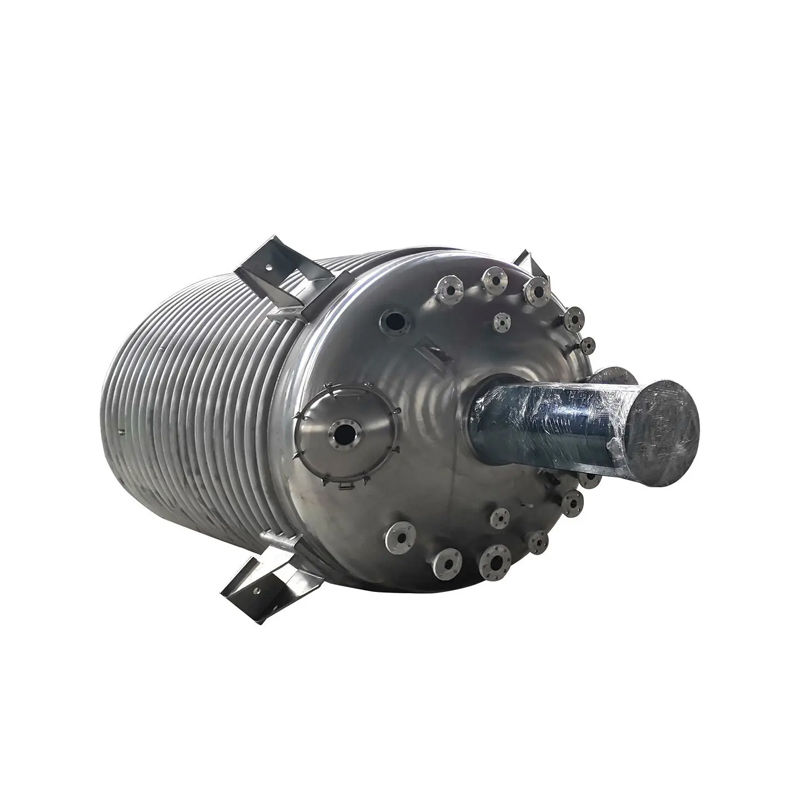
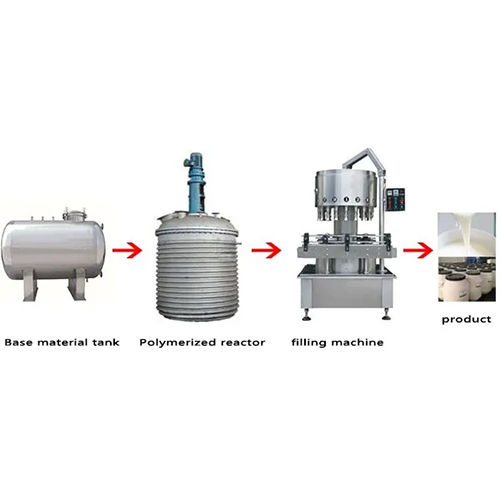
Efficient Polymer ProductionThis high-pressure autoclave reactor streamlines the process of producing acrylic polymer emulsions by automating crucial stages and offering precise control via the human-machine interface. The fully automatic system helps manufacturers boost output while maintaining product consistency, suitable for demanding industrial environments.
Advanced Control and SafetyEquipped with a modern control system, the reactor makes use of its human-machine interface for intuitive operation and monitoring. This reduces the risk of human error, enhances safety during high-pressure reactions, and ensures optimal process management for consistent quality results.
FAQ's of Acrylic Polymer Emulsion Making Machine High Pressure Autoclave Reactor High Pressure Reactor:
Q: How does the high-pressure autoclave reactor facilitate acrylic polymer emulsion production?
A: The reactor maintains precise temperature and pressure conditions essential for the emulsion process. Its automated controls and robust build ensure efficient mixing and polymerization, maximizing yield and reducing operational errors.
Q: What materials can be processed using this reactor?
A: This machine is specifically designed for acrylic polymer emulsions, but its stainless steel construction allows safe handling of various compatible chemical ingredients involved in the emulsion production process.
Q: When should routine maintenance be performed on the reactor?
A: Regular maintenance is recommended every six months or as specified in the user manual to ensure optimal performance and longevity of the machine. This includes inspections of seals, controls, and the surface finish.
Q: Where is the machine primarily distributed and supported?
A: The reactor is manufactured, distributed, exported, and serviced throughout India. Comprehensive support is provided by authorized suppliers and service providers, ensuring accessibility across major industrial regions.
Q: What is the process for operating the reactor?
A: Operators use the intuitive human-machine interface panel to monitor and control reaction parameters. After loading materials and configuring settings, the automated system manages the reaction while the user supervises via the control display.
Q: How does the automatic grade feature benefit users?
A: Full automation minimizes manual intervention, increases process consistency, reduces labor costs, and decreases the likelihood of errors, resulting in reliable production and improved safety conditions.